The ACTEA Research Department is the continental home of ACTEA’s research and publishing work. It serves theological educators and institutions across Francophone, Anglophone, and Lusophone Africa under one shared framework of standards, and works in English, French, and Portuguese. Everything it produces is published as an ACTEA publication, so that the whole continent can draw on it and contribute to it.
Research
About the Research Department
ACTEA’s Academic Journal, African Christian Theology
Théologie Chrétienne Africaine · African Christian Theology · Teologia Cristã Africana
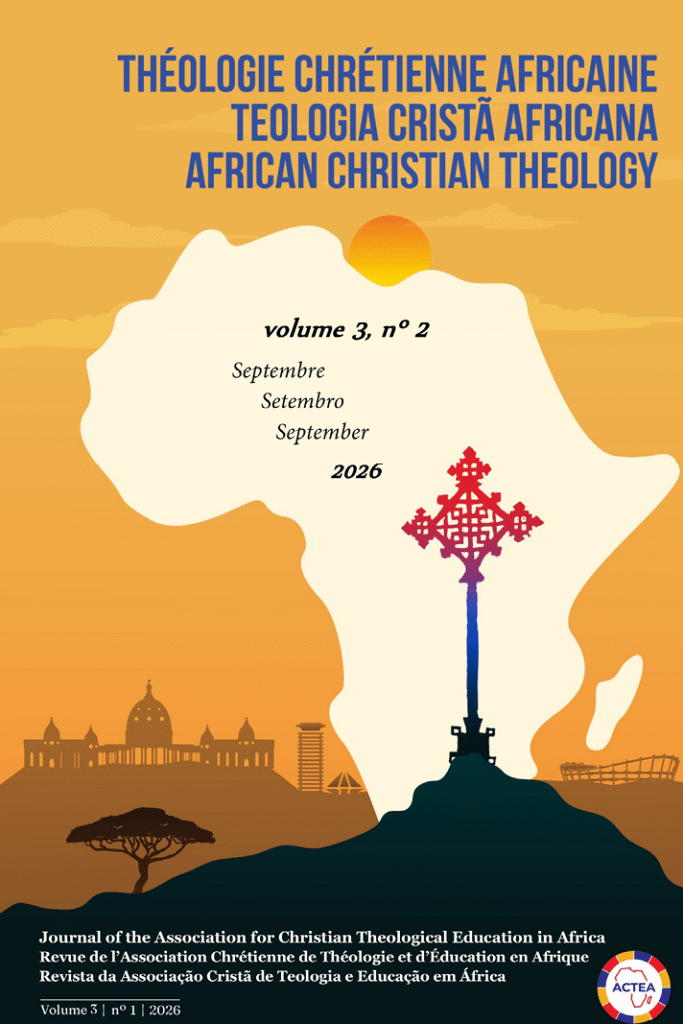
ACTEA’s academic journal is a diamond open-access, peer-reviewed journal published twice a year. Currently, it can publish submissions received in French, English, or Portuguese. It gives African theologians and scholars a rigorous scholarly platform and makes their work freely available to readers everywhere. Every contribution goes through a thorough peer review and editorial process, and each article carries an abstract in all three languages.
The journal welcomes academic research articles, academic theological essays, critical book review essays, and short book reviews. The editorial team has members who are proficient in French, English, and Portuguese, so that scholars in every region (Francophone, Anglophone, and Lusophone Africa) can submit in their own language and be read across language boundaries.
The ACTEA Series
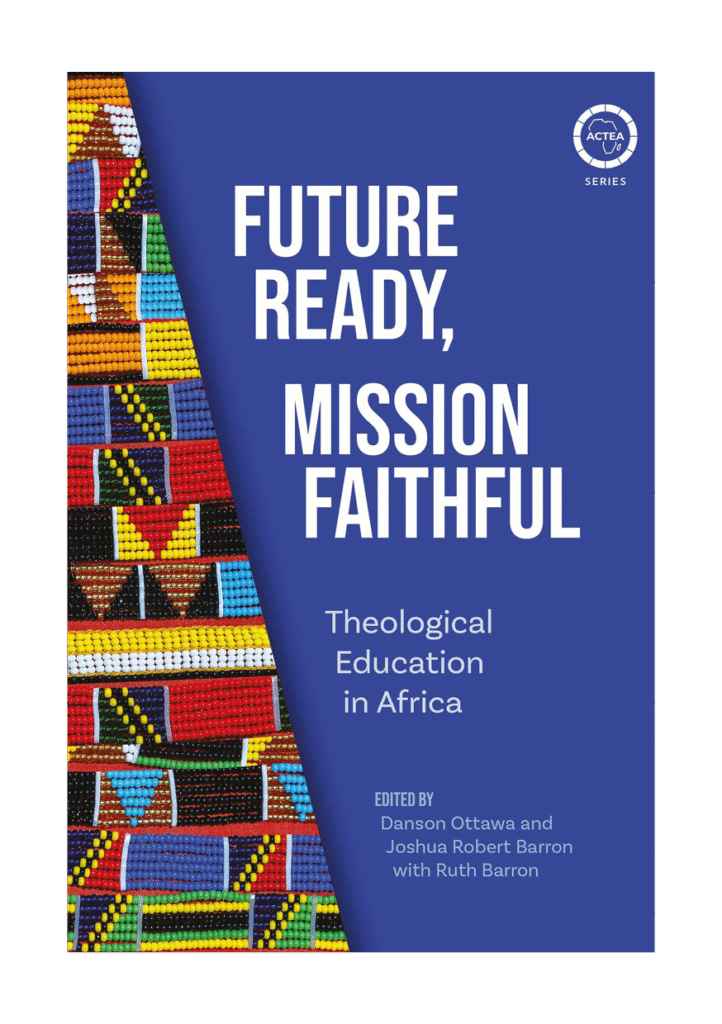
The ACTEA Series publishes peer-reviewed edited volumes and monographs with Langham Literature’s Langham Global Library imprint. It offers African scholars a trusted route to publishing substantial work on the questions facing the Church and theological education on the continent. All content is evaluated by double-blind peer review, so contributions are judged on quality alone, irrespective of an author’s identity or positionality.
The inaugural volume, Mission Faithful, Future Ready: Theological Education in Africa (Fidèle à la Mission, Prêts pour l’Avenir), was launched at the General Assembly in March 2027. A French edition is being prepared and a Portuguese edition is planned, and four further volumes are already in the editorial process. Scholars across all three language regions are invited to contribute as volume editors, authors, reviewers, or advisors.
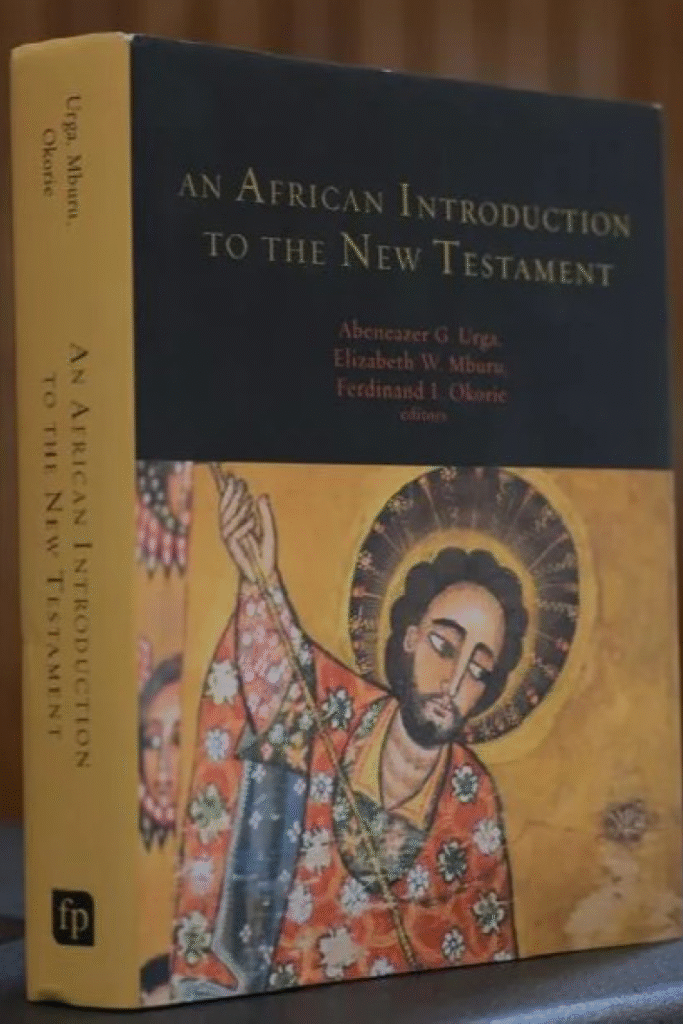
The African New Testament Commentary Series
This series will bring together 21 volumes on the New Testament, all written by African authors. It aims to offer pastors, teachers, and students’ commentaries that engage Scripture from within African contexts and the African Church’s own questions and experience. Authors, manuscript reviewers, and advisors are being invited from across the continent, including Francophone scholars.
The African New Testament Commentary Series (ANTCS) will be written by Arican New Testament scholars.
The Health of Theological Education in Africa Project
This is a continent-wide research initiative examining the state of theological education across Africa and its impact on the Church and on the transformation of the continent. Its research covers Francophone, Lusophone, and Anglophone Africa, so that the findings reflect the whole of African theological education.
Data is being gathered through questionnaires to theological institutions, providers of nonformal education, and the Church. Research instruments are used across the continent, and questionnaires and findings are made available in English, French, and Portuguese. The project aims to provide institutions, church leaders, and funders with a credible evidence base to strengthen theological education.

Institutional Journal Guidelines
Many ACTEA member institutions publish their own journals. The Research Department provides overarching guidelines to help these journals meet sound academic standards. A journal that presents itself as academic must practise rigorous peer review, and the guidelines help each publication state its purpose and scope, whether it is a scholarly journal or a theological magazine.
These guidelines support institutions in raising the quality and credibility of their publications while respecting the different purposes that different publications serve. They also help faculty see clearly how their published work is recognised.